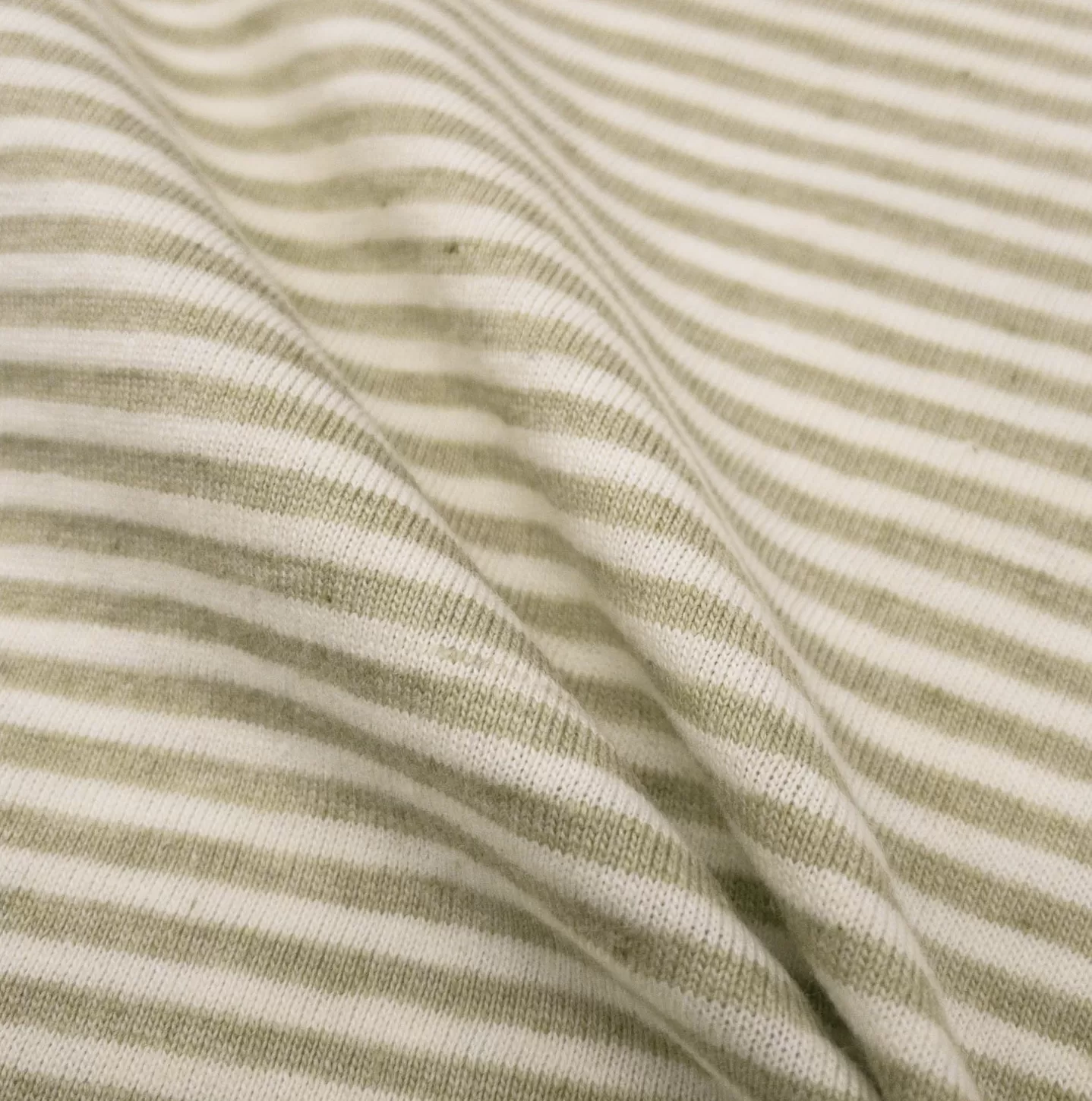
Environmentally friendly cloth diapers are gaining traction in Finland. Now, a Fair Trade-certified version is available thanks to East 25 Oy, which has begun importing from Peru.
The idea to produce and import washable diapers that meet Fair Trade standards originated at an informational event hosted by Finnpartnership and the Finnish Association for Fair Trade Promotion, explains Pirjo Kinnunen from East 25 Oy.
“The first challenge was finding the right partner,” says Kinnunen. “We connected with Peruvian producers through international Fair Trade networks.”
With support from Finnpartnership, she traveled to Peru to assess local capacity—not only for organic cotton production but also for transforming raw materials into finished products. A well-connected partner was essential.
They found it in Peru Naturtex, a company specializing in organic and Fair Trade cotton. Founded by American anthropologist and archaeologist Dr. James M. Vreeland, Naturtex brought the needed experience and network—from cotton fields to sewing workshops.
Naturtex oversees the full production of the diapers in Peru and handles shipments to Europe. Legal agreements, especially the partnership contract, were key to setting the groundwork.
Cloth Diapers Growing in Popularity
It took nearly two years to turn the idea into a business. The first batch of Fair Trade cloth diapers launched in Finland in May 2008.
East 25 Oy plans to use online and Fair Trade sales channels and aims to eventually reach major retailers. “Once the product gains traction, we’ll approach retail chains,” says Kinnunen. She’s optimistic about demand, noting that many parents already make their own cloth diapers due to the lack of industrial options.
Though starting in Finland, East 25 plans to expand across Europe. The company has prior export experience with Fair Trade wines to Finland and neighboring regions.
Environmental Awareness Drives Demand
Consumer environmental awareness is fueling interest in cloth diapers. According to a Finnish volunteer organization promoting their use, a child uses approximately 5,000 disposable diapers by the time they’re toilet trained around 30 months old.
This equates to around 1,500 kg of waste—up to half of a household’s waste when children are young. In the Helsinki area alone, used diapers contribute an estimated 5,200 tons of waste annually.
Cloth diapers are also cost-effective. Even high-end versions are cheaper than disposables for one child, with further savings for larger families.
“Cloth diapers are eco-friendly and durable—lasting until a child is potty-trained and then can be resold secondhand,” adds Kinnunen.
Cotton Supply is the Key Challenge
These Fair Trade cloth diapers are made from Pakucho® organic cotton, known for being gentle on sensitive baby skin. East 25 is committed to organic raw materials, though sourcing is challenging as demand grows.
In Peru, Fair Trade organic cotton is supplied by a single cooperative that gathers cotton from small family farms across the country.
“Harvest volumes in a single country can fluctuate significantly year to year due to weather,” says Kinnunen. “In the future, we may need to work with producers in other regions, such as Africa.”

